
Wilder Plant Guide
Houseplants that survive small Hong Kong flats
A practical guide for apartments and offices with limited floor space and less light than the plant label promised. Six short chapters cover choosing tough species, placing them, reading your window, watering, repotting, and keeping a routine that fits a real week.
What this project is for
Wilder Plant Guide is an independent reference for people living and working in Hong Kong who want greenery without turning plant care into a second job. Most local flats are compact, most windows face a neighbouring block, and air conditioning runs for much of the year — conditions that quietly kill plants chosen from a shop shelf.
We write around those constraints. Every chapter explains what a plant needs, what a Hong Kong flat usually provides, and the gap between the two. There are no product sponsorships and no ranking tables — just the reasoning you can apply to the shelf, sill, or desk corner you already have.
Written for small rooms
Advice assumes a few square metres of usable floor, a sill that gets a couple of hours of indirect light, and no balcony to move plants onto.
Tied to the climate here
Humid summers, cool dry winters, and constant air movement change how often you water and how much light a plant actually receives.
Built to be read once
Each guide is short enough to finish before you buy anything, and specific enough to revisit a month later when something looks wrong.
A plant fails in a Hong Kong flat for four ordinary reasons: the wrong species, the wrong spot, too much water, and a pot that was never changed.
The six chapters below deal with those four reasons in order. Start anywhere — each one stands on its own, and none of them assume you have kept a plant alive before.
Six practical guides
Read them in order or jump to the problem you have today. Each guide lists what to check, what to prepare, and what usually goes wrong.
-
Which species tolerate low light, dry indoor air, and a week of neglect — and how to tell a genuinely tough plant from one that only looks tough in the shop.
-
Where to put a plant when floor space is gone: shelving, sills, dividers, and the corners that look empty but stay too dark for anything to grow.
-
How to judge a window honestly through the day, what a north-facing room really delivers, and when a small lamp makes a difference.
-
Why more plants die from kindness than thirst, how to read moisture with a finger rather than a schedule, and what drainage actually requires.
-
When a root-bound plant is fine and when it is not, how to size the next pot, and the soil mix that holds up in humid Hong Kong air.
-
A weekly loop of a few minutes: what to look at, what to note, and how to adjust watering when the seasons change or the air conditioning starts.
Space and placement
Small flat, real light
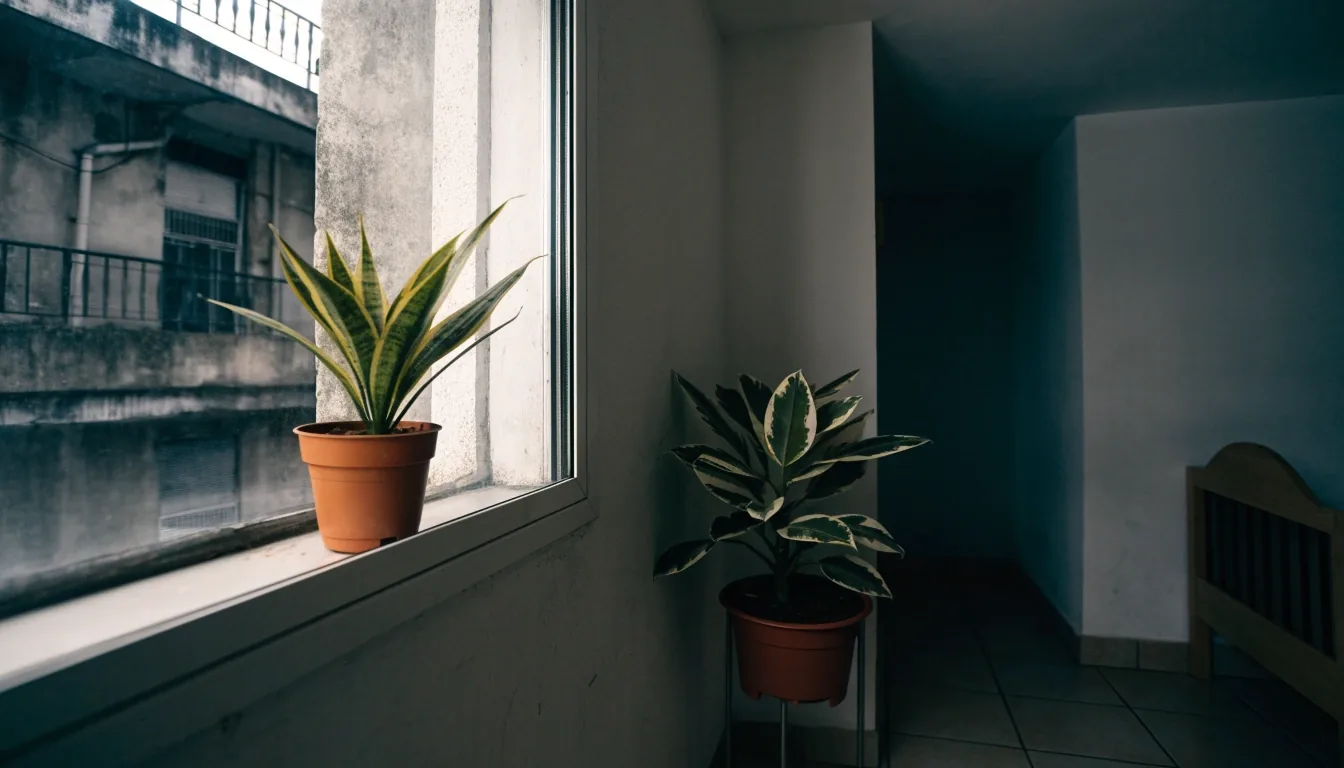
The two questions that decide whether a plant thrives here are how much floor you are willing to give up, and how far the plant sits from a window that actually sees sky. Most Hong Kong windows face another building, which cuts useful light far more than people expect.
Measure the distance
Beyond about two metres from the glass, light drops fast. A plant that looks bright in a showroom may be in deep shade on your sofa side.
Use height, not area
A narrow shelf or a stand frees the floor and lifts leaves into the band of light that reaches over furniture and past the air conditioner.
Keep the walkway clear
Plants knocked by a shoulder or a bag tear leaves and loosen roots. Group them where people do not pass, and they recover from most mistakes.
Watering is the part people get wrong
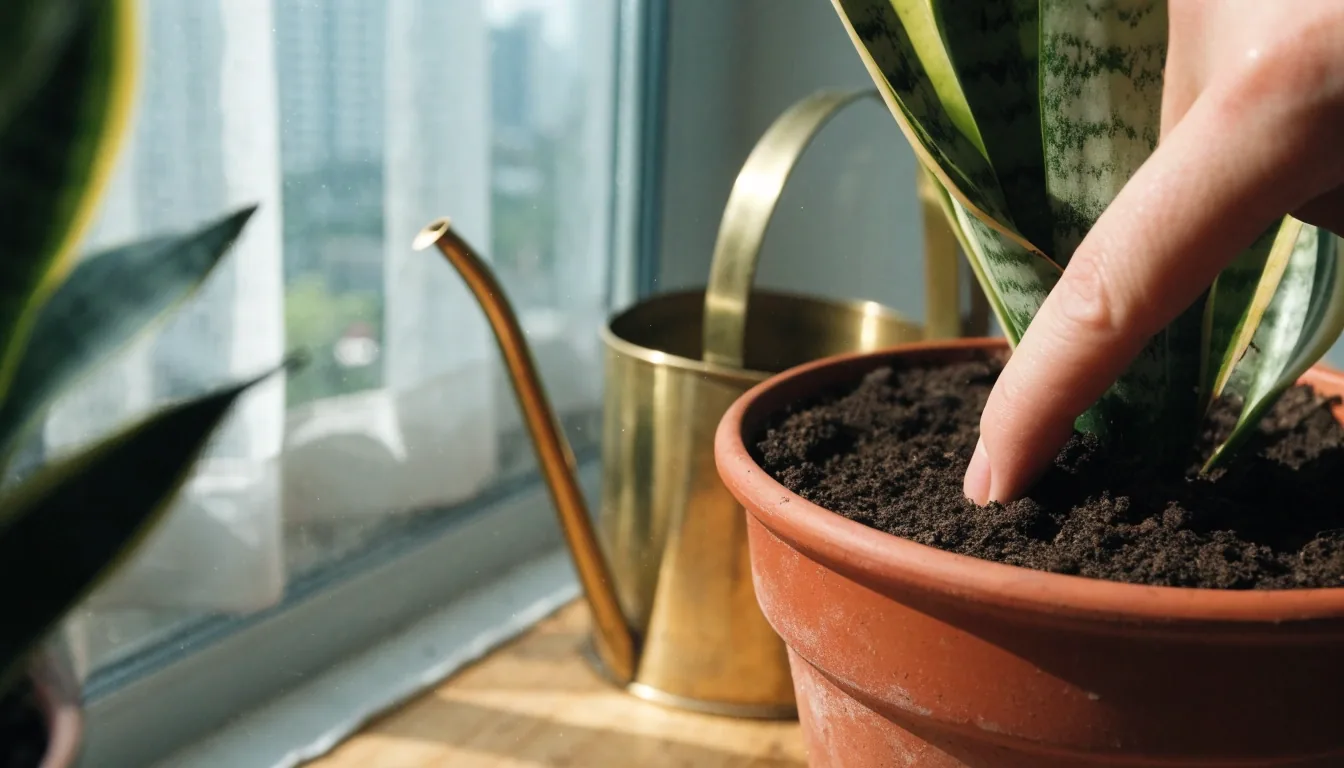
In a humid Hong Kong summer, soil stays wet for days longer than it would in a drier city. Most common houseplants want the top few centimetres to dry between waterings, and a pot that drains freely. Check with a finger, not a calendar, and skip the water when the soil still clings to your skin.
What to check before you buy
Shop labels describe ideal conditions, not your living room. These are the four things worth confirming in the shop, and what each one tells you about the weeks ahead.
| What to check | What it tells you |
|---|---|
| Pot weight and drainage | A pot with no drainage hole keeps water at the roots. Check underneath before you commit, not after the first watering. |
| Leaf colour and firmness | Pale, soft, or yellowing leaves often mean the plant has already spent weeks in poor light or wet soil before reaching the shelf. |
| Stem base and soil surface | Mushy or blackened stems at soil level point to rot. Firm, clean stems with dry surface soil are a better sign than glossy leaves. |
| Where it was grown | A plant raised under glass needs a slow move to a dim flat. Ask how much light it had, then give it less than that for the first month. |
None of this replaces the species choice. A tough plant in the wrong spot still struggles, and a fussy plant in a good spot still needs attention. Read the choosing guide before you read anything else.
Repotting and a routine that holds
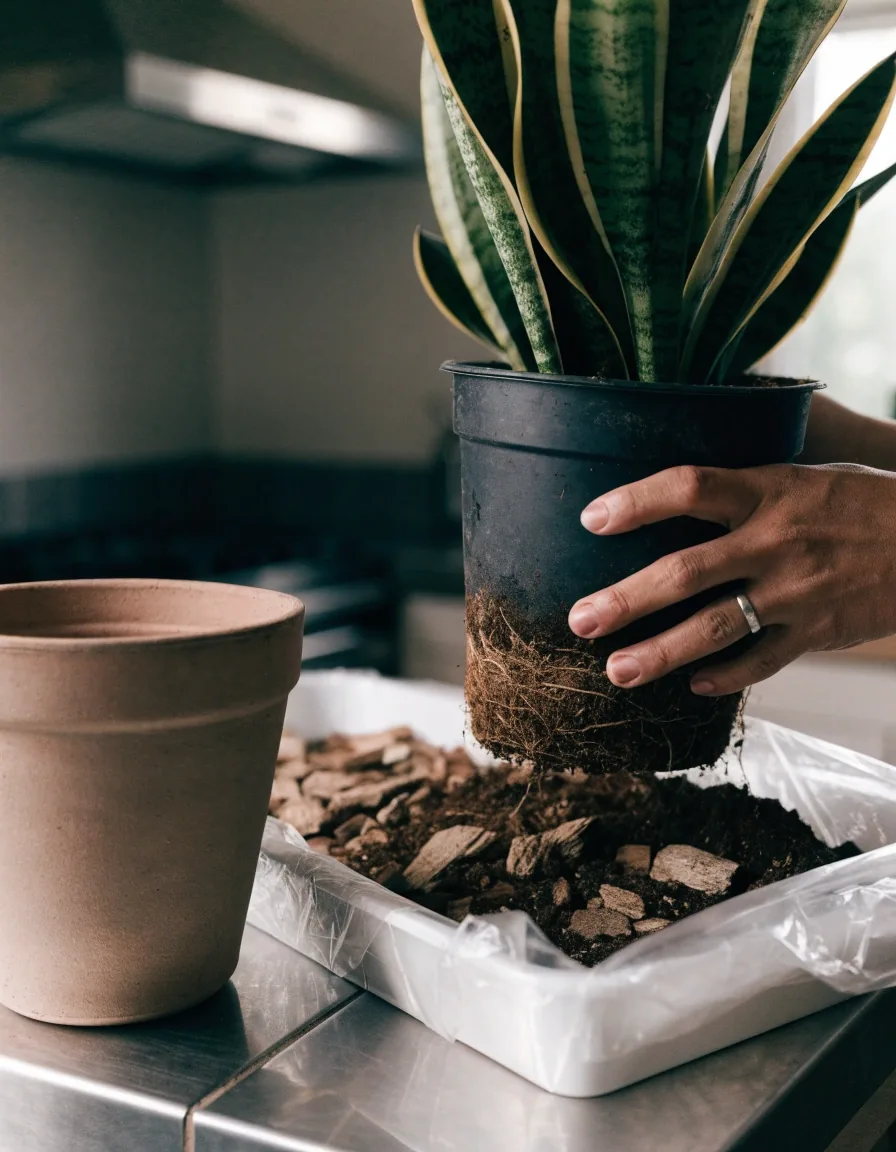
Most plants in a small flat outgrow their pot within a year or two. Move to a pot only a couple of centimetres wider — a big jump leaves wet soil around roots that cannot yet use it. In Hong Kong humidity, a chunky bark-based mix drains better than a dense peat compost and forgives a missed watering.
Once the pot is right, care becomes a short weekly loop: check the top of the soil, turn pots a quarter turn toward the window, and wipe leaves so dust does not block the light they are already short of. Note anything that changed and adjust the next watering rather than the plant.
Questions we get most
Short answers to the things readers ask before their first plant, or after their first loss.
Can I keep a plant in a room with no window?
A few species will hold on, but they will not grow much and often decline slowly. If there is genuinely no daylight, a small desk lamp on a timer gives the plant something to work with, and rotating it near a window for part of the week helps. Be realistic: no plant thrives in permanent darkness.
How often should I water in summer?
Less often than most advice suggests. Hong Kong summers are humid, and air conditioning dries the air but not the soil. Check the top few centimetres with a finger; if the soil is still cool and damp, wait. In a typical flat, many plants need watering roughly every one to two weeks in summer and less in winter.
My leaves are turning yellow. What now?
Start with the two usual causes: too much water, or too little light. Check whether the soil stays wet for days and whether the pot drains. If both look fine, a sudden change in temperature from an air conditioner vent can also do it. Fix one thing at a time so you can tell what worked.
Do I need to repot a plant I just bought?
Usually not straight away. Let it settle for a few weeks in its new spot, then look at the drainage holes. Roots circling the base of the pot or pushing through the holes mean it is time. Otherwise wait until the following spring, when the plant is growing again.
Ask us about your space
If you are unsure which plant suits a specific corner, window, or desk, write to us with a short description. We read every message and reply during working hours with suggestions from the guides rather than a sales pitch.
- [email protected]
- Phone
- +852 2875 9910
- Working hours
- Monday to Friday, 9:00 AM – 6:00 PM
- Operator address
- 117 Misty Ct, Santa Cruz, CA 95060, United States
Read more about who runs this project on the About the Project page.
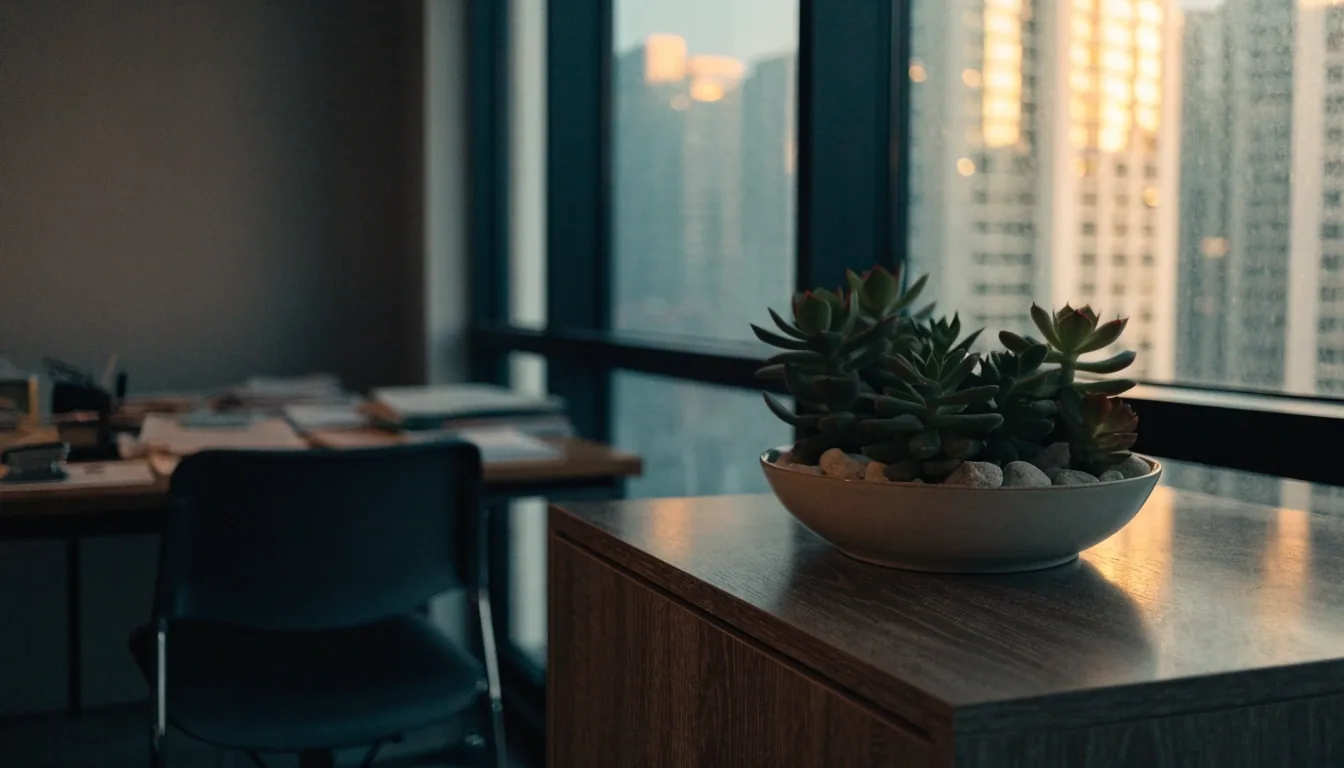
Start with one plant, then read the rest
Pick a single species from the choosing guide, put it where the placement chapter suggests, and watch it for a month. The other four chapters will make far more sense once you have one plant of your own to read.